
Environment
Carbon Neutral (CN)
Basic Approach
In our greenhouse gas reduction efforts, we place importance not only on reducing our own CO2 emissions (Scope 1 & 2) but also on activities to reduce CO2 emissions across the entire value chain (Scope 3). In particular, we have been promoting MCK (Motto Carbon-neutral Kyoka; further strengthening carbon neutral) activities in collaboration with our suppliers since 2021, pursuing both the visualization and reduction of CO2 emissions. In fiscal 2024, we launched a new carbon offset initiative utilizing forest absorption in collaboration with local communities.
We are also advancing efforts to monitor the carbon footprint of our products. Based on the calculated results, we are developing and implementing specific reduction measures with our suppliers. By measuring the lifecycle CO2 emissions per product unit, we aim to develop low-carbon products and further reduce environmental impact, encompassing not only our own processes but also the entire lifecycle from raw materials to disposal.
Furthermore, to enhance the transparency and credibility of our initiatives, we are expanding the scope of third-party verification and striving to improve the accuracy of environmental information disclosure. For the consolidated CO2 emissions generated by the Company in fiscal 2024, 100% of Scope 1 & 2 emissions and 94% of Scope 3 emissions underwent third-party verification. This enables us to provide reliable information to stakeholders both inside and outside the Company, thereby fulfilling our accountability.
We will continue to deepen our MCK activities, striving to enhance sustainability and reduce environmental impact across the entire value chain through daily improvements and production technology innovation, while also working to ensure appropriate disclosure of environmental information.
CO2(Scope1&2)emissions
CO2(Scope3)emissions
Renewable energy ratio
Environmental data
We also publish details of other environmental data.
Scope1&2
Roadmap
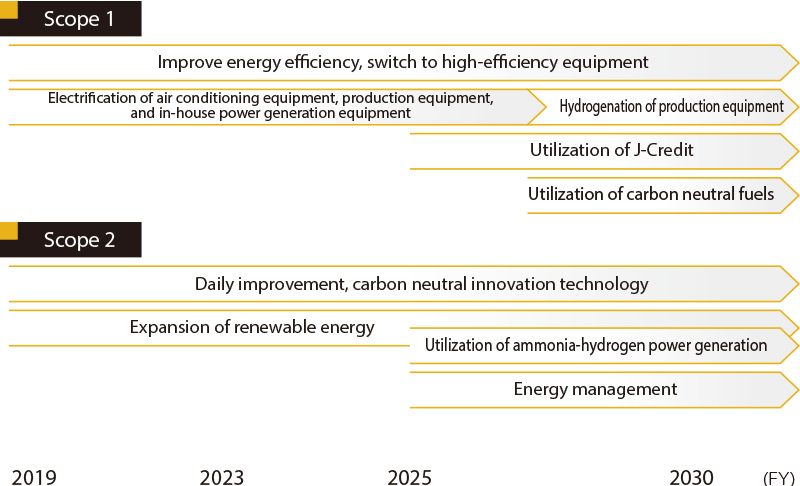
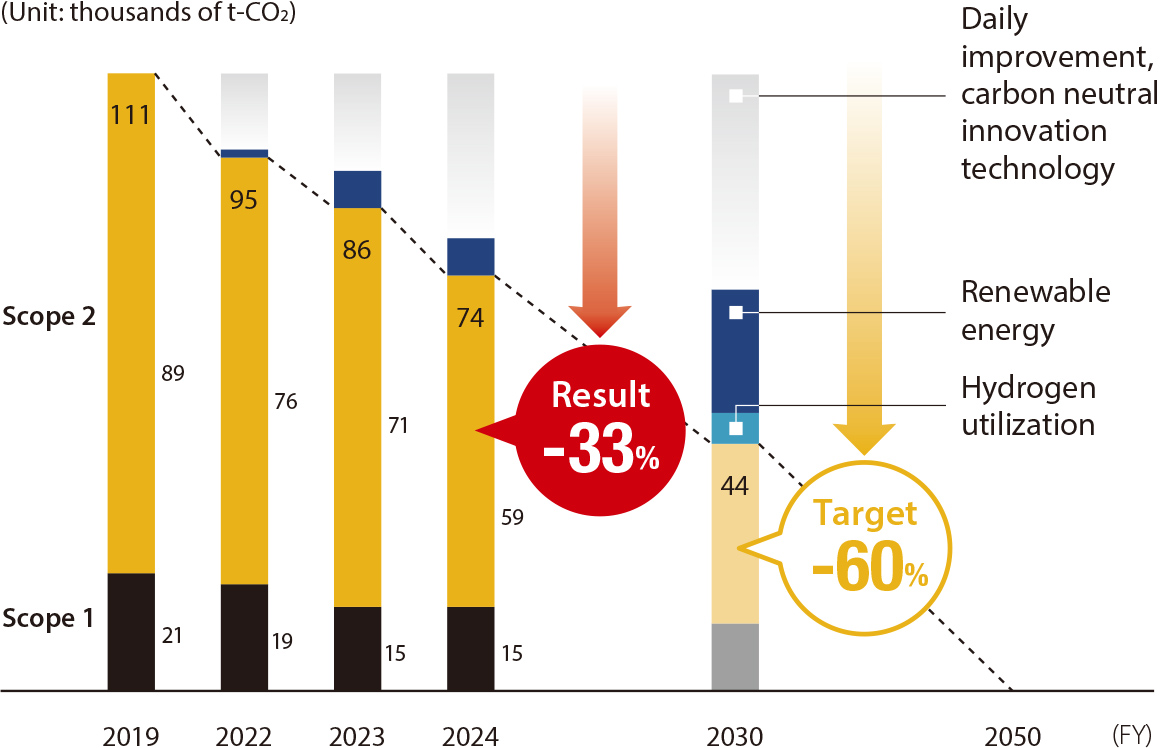
We have set a target to reduce Scope 1 & Scope 2 emissions by 60% compared to fiscal 2019 levels by 2030 and are steadily advancing its implementation. We will pursue thorough energy reduction through daily improvements in energy efficiency and production technology innovation in manufacturing. Simultaneously, we will contribute to moving away from fossil fuels by utilizing renewable energy sources such as solar power generation and ammonia-hydrogen power generation, which we are developing.
Main initiatives
Improvement of energy efficiency
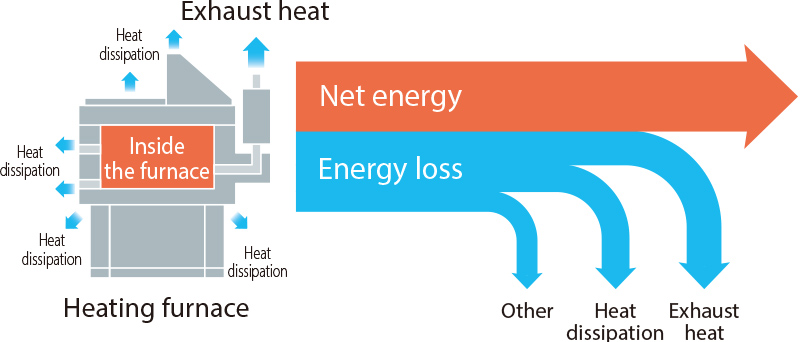
We are promoting initiatives to organize and monitor energy usage by utilizing energy flow diagrams to visualize energy balances. This clarifies the energy loss occurring in each part of the equipment. By quantifying losses, we prioritize improvement actions and develop concrete improvement measures. We continue to promote the effective use of energy through these initiatives.
Energy conservation in compressed air through daily improvements
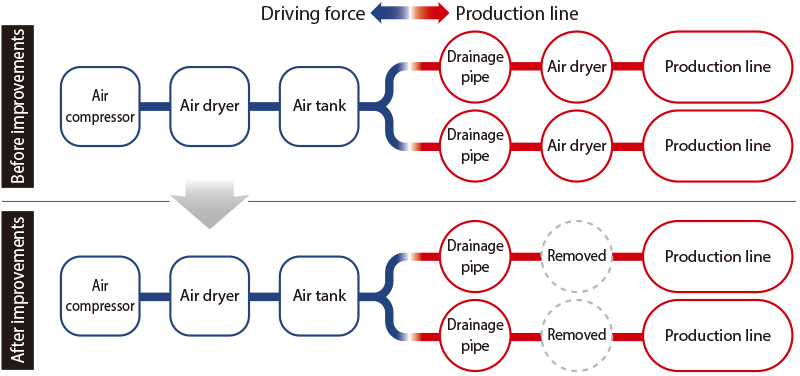
As part of our initiatives to reduce CO2 emissions from compressed air in our plants, we have eliminated the use of individual air dryers installed right in front of the production lines. By collecting air temperature and dew point data and clarifying installation standards, we addressed on-site concerns and laid out the necessity for installation. As a result, we achieved an annual reduction of 150 tons of CO2 emissions.
Initiatives for watershed forest conservation and cultivation through J-Credit purchases
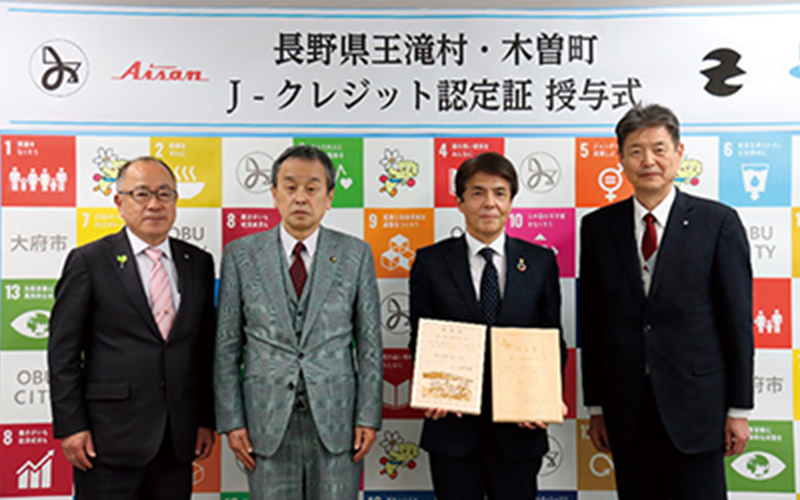
In fiscal 2024, we purchased J-Credits issued by Otaki Village and Kiso Town, which encompass the Makio Dam that is the water source for Obu City. We will promote our carbon offset initiatives while collaborating with local communities to contribute to the conservation and cultivation of watershed forests.
Expanding the use of renewable energy
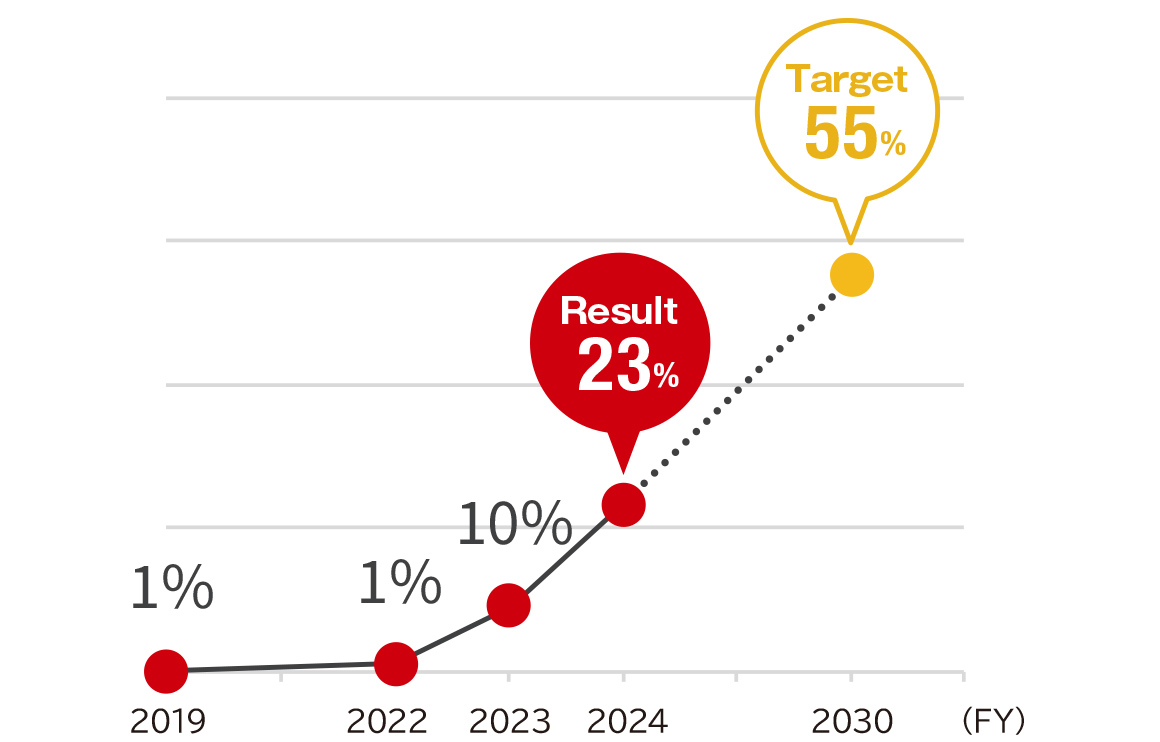
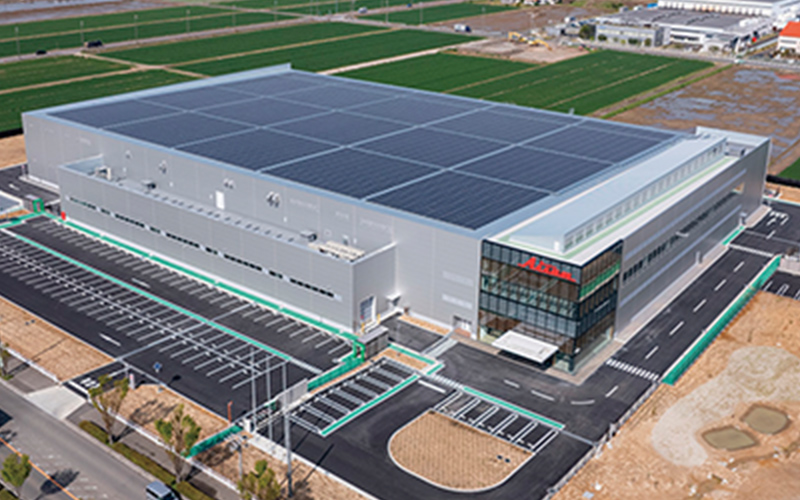
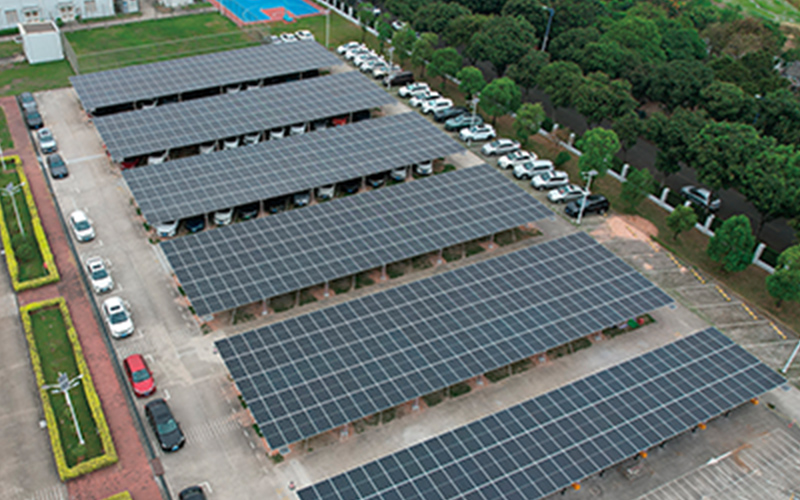
We are expanding the adoption of renewable energy to achieve our environmental goals for fiscal 2030. In fiscal 2024, we newly installed rooftop solar power generation systems at two locations in Japan and Indonesia, and introduced solar carports at two locations in China. This generates a total of 5,500 MWh/year of renewable energy, contributing to an increase in the renewable energy utilization rate. Furthermore, our bases in Mexico and the United States are promoting flexible renewable energy utilization strategies based on the energy situations and regulations of each country, including the introduction of new green power.
Scope3
Roadmap
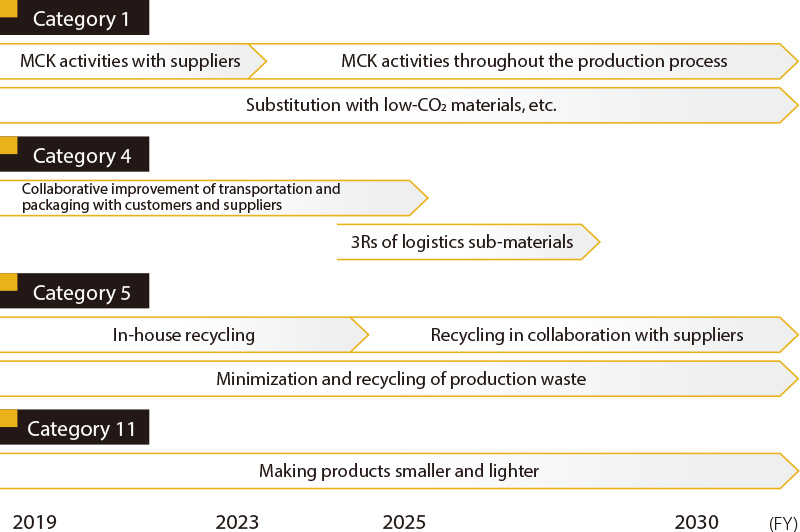
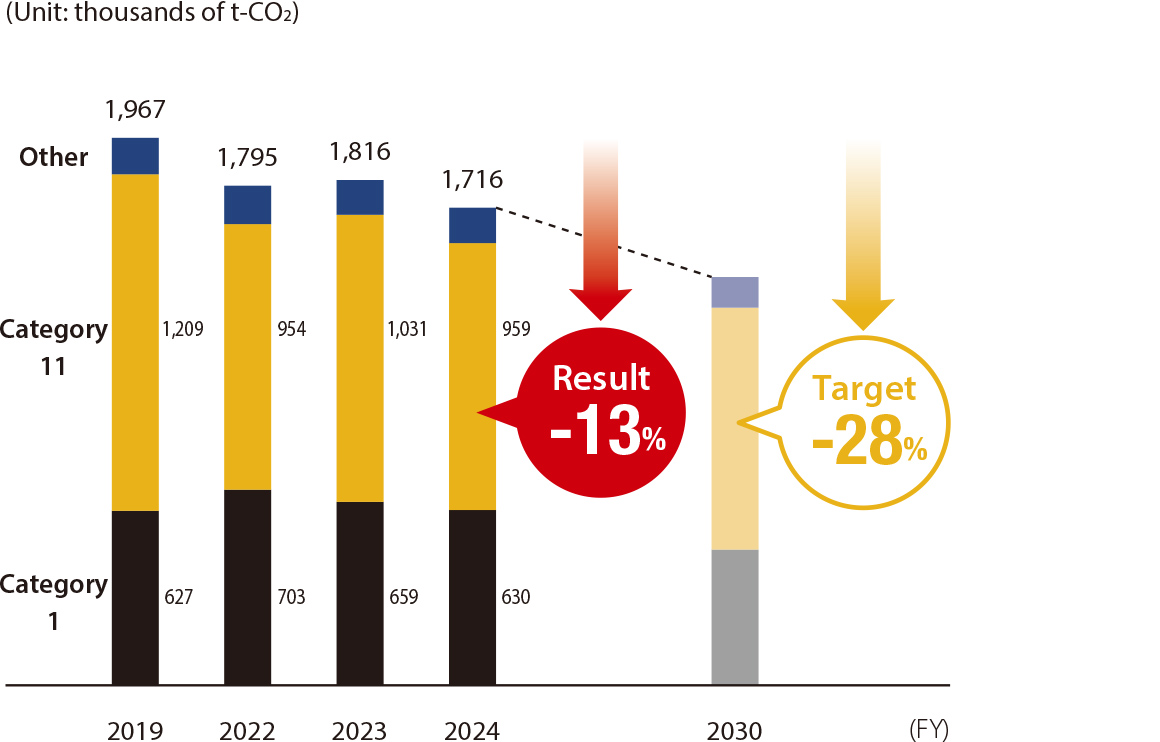
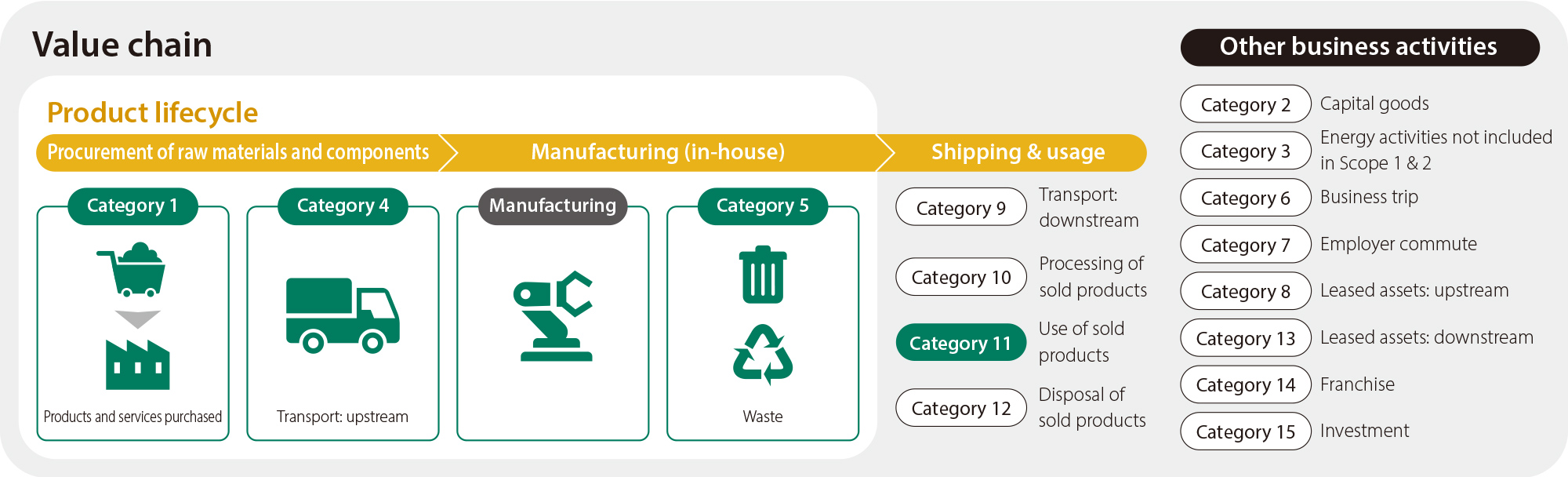
We are working toward a 28% reduction in Scope 3 CO2 emissions compared to fiscal 2019 levels. We are focusing particularly on categories 1, 4, and 5, which correspond to our product lifecycle CO2 emissions, and category 11, which has high emissions. Through our MCK activities, we are working to visualize and reduce CO2 emissions. We will continue to deepen our collaboration with suppliers and stakeholders to contribute to CO2 reduction across the entire value chain.
Main initiatives
CO2 reduction focused on per-unit CO2 emissions
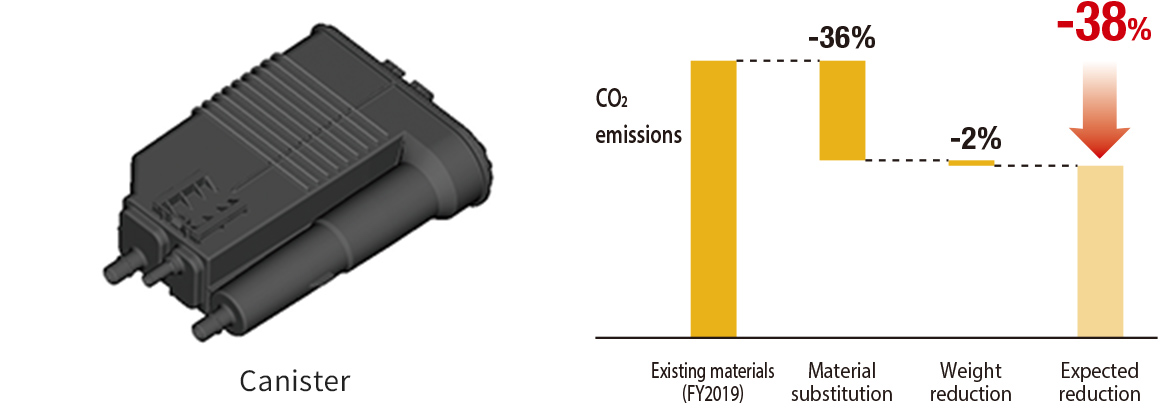
Approximately 40% of our Scope 3 emissions stem from Category 1 (purchased goods and services), with the majority originating from materials. Therefore, we are advancing efforts to replace conventional materials with low-carbon alternatives. For our core product, the canister, we have established a target to reduce CO2 emissions by approximately 36% compared to fiscal 2019. Going forward, we will collaborate with our customers and suppliers to promote the replacement with low-carbon materials while also working to further reduce the weight of our products.
MCK activities throughout the production process
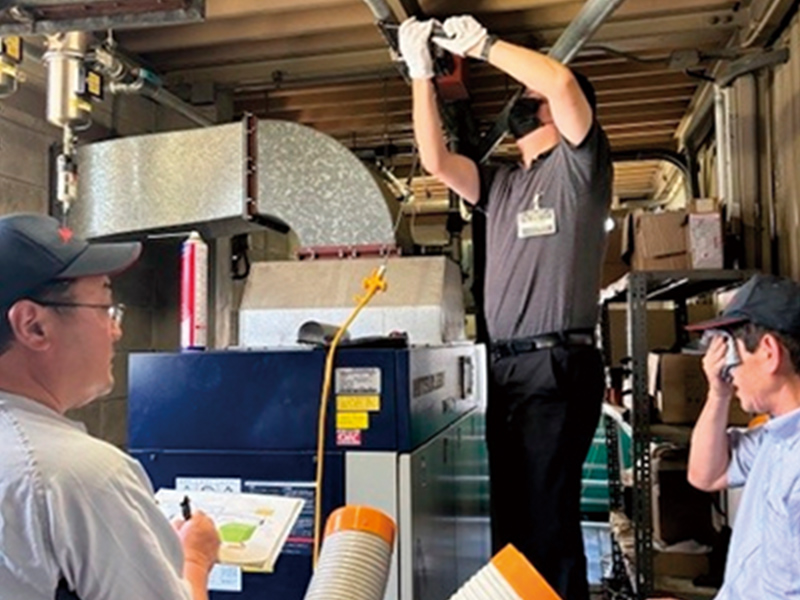
We have promoted the MCK (Motto Carbon-neutral Kyoka; further strengthening carbon neutral) activity with many suppliers since 2021. Suppliers who endorsed this initiative not only reduced their own CO2 emissions but also expanded the MCK activities to their own business partners. The ripple effects of these initiatives are expanding the circle of MCK activities throughout the entire production process. We will continue to expand this initiative to other suppliers and work toward achieving carbon neutral.
MCK activities in conjunction with suppliers
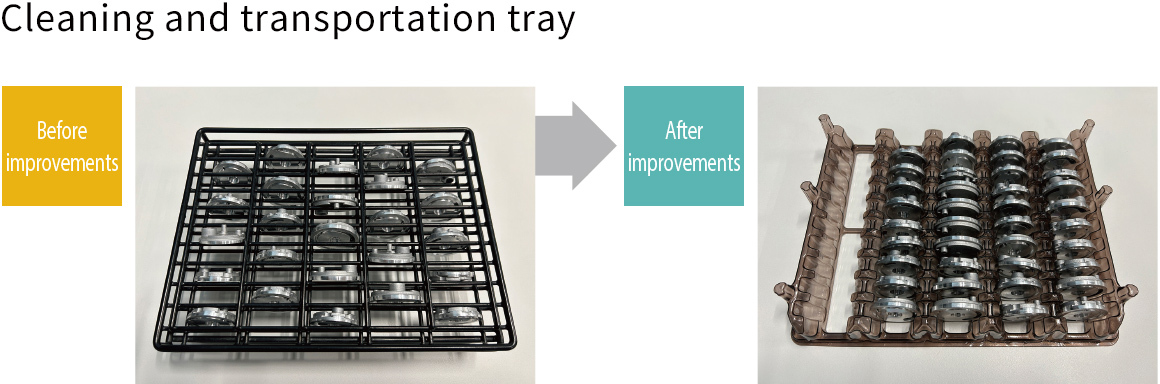
To address issues faced by our suppliers, our Manufacturing Improvement and Logistics Planning members joined forces to develop a tray that can be used for both cleaning and transportation. Development of this dual-use tray has realized (1) a 50% reduction in cleaning energy (doubling the previous capacity), (2) elimination of refilling work after cleaning, and (3) improved transportation efficiency through an increase in the number of boxes accommodated.
Consolidated Logistics Routes to Improve Efficiency
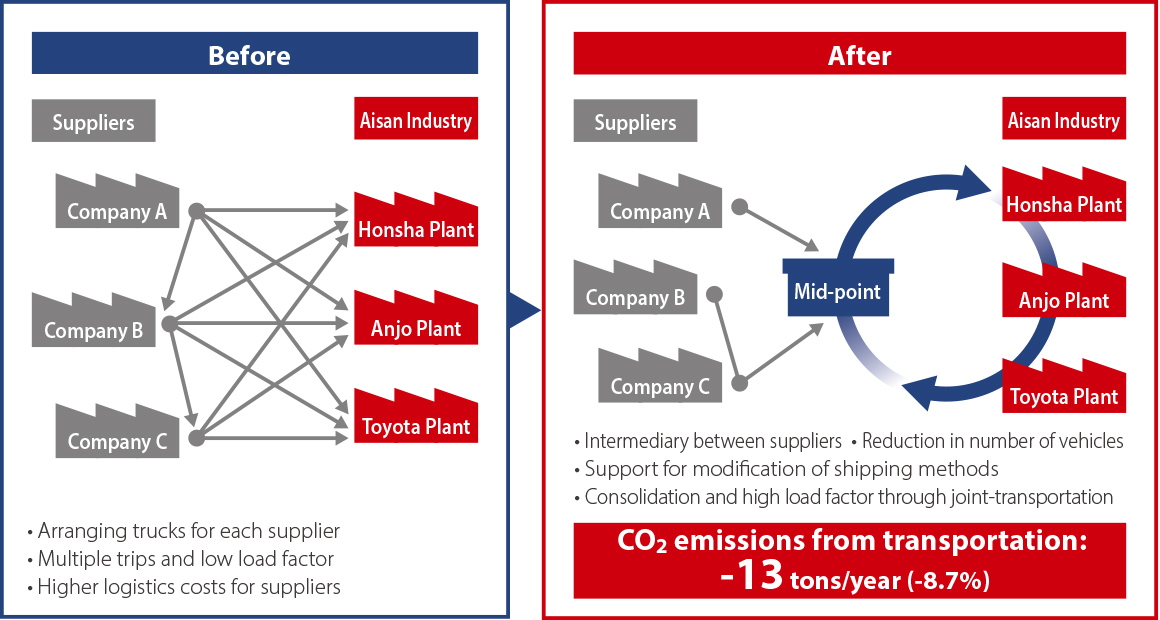
In the past, we arranged trucks for product transportation for each supplier. We faced difficulties in improving the load factor since we oversaw logistics for each company, which led to a decline in logistics efficiency for suppliers. With the collaboration of shipping companies, we set up a mid-point for transportation and consolidated our logistics routes. This resulted in a reduction of annual CO2 emissions by 13 tons (8.7% reduction) as well as drastic improvements in truck load factor with joint delivery.